
What to Expect During the Fire Restoration Process
Fire restoration professionals help restore your property by assessing damage, cleaning soot and smoke, and repairing structural issues to restore safety and comfort.
Understanding what to expect during the fire restoration process can provide reassurance for property owners facing this challenging situation. When a property experiences fire damage, the restoration journey typically involves several key phases, including assessment, cleanup, structural repairs, and odor removal. Local contractors specializing in fire restoration are equipped to guide property owners through each step, helping to clarify what is involved and what to anticipate along the way. Exploring this topic can help homeowners and business owners feel more prepared, ensuring they understand the scope of work and the importance of professional assistance during each stage of recovery.
For property owners in the area, knowing what to expect during the fire restoration process is practical for planning and decision-making. Fire damage can be overwhelming, but understanding the typical procedures can make the process feel more manageable. Local service providers who offer fire restoration services can address specific concerns related to cleanup, smoke damage, and structural repairs, providing clarity and support throughout the recovery. Continuing to learn about these steps can help property owners feel confident in choosing the right professionals to restore their property efficiently and effectively.
- Initial assessment - homeowners may need this step to evaluate the extent of fire and smoke damage, with local contractors providing thorough inspections.
- Content cleaning - after a fire, property owners often require cleaning of soot and smoke residues, which local service providers handle with specialized techniques.
- Structural repairs - damaged framing or walls may need restoration, and local pros approach this by assessing and repairing affected areas to restore safety and stability.
- Odor removal - lingering smoke smells can be a concern, with local contractors using advanced deodorization methods to improve indoor air quality.
- Final restoration - once damage is addressed, property owners can expect local service providers to complete finishing work to return the space to its pre-fire condition.
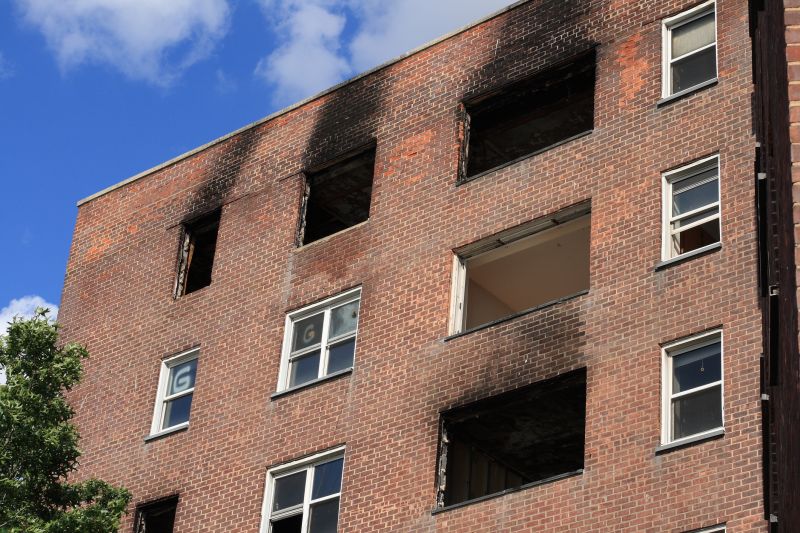
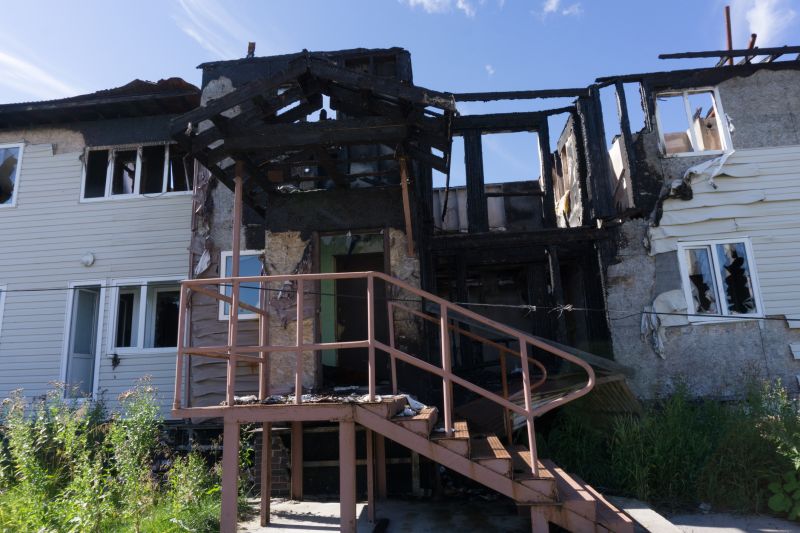
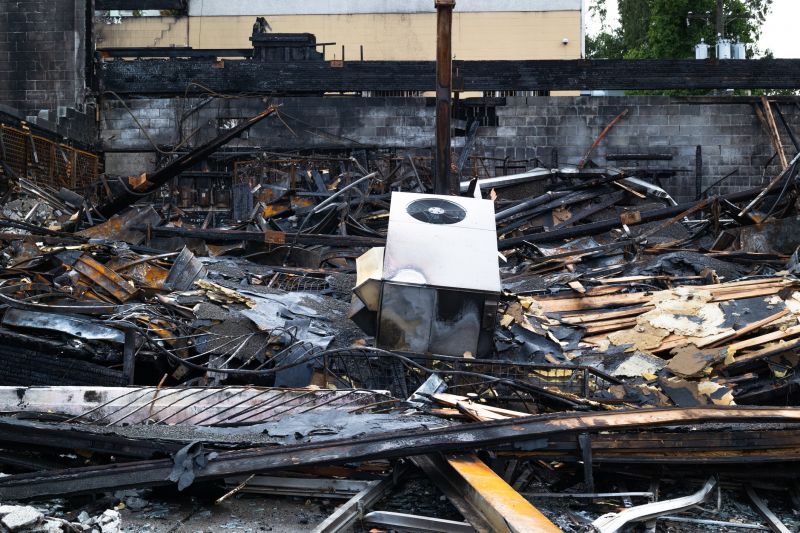
Understanding what to expect during the fire restoration process can help homeowners prepare for the steps involved after a fire incident. When searching for this topic, many people are looking for a clear overview of the sequence of services that restore a property to a safe and livable condition. Fire restoration typically involves addressing both visible damage, such as charred materials and smoke residue, and hidden issues like structural weakening or lingering odors. Homeowners often want to know how the process unfolds, what kinds of problems are addressed, and how professionals handle the complexities of fire damage to ensure their property is properly restored.
The fire restoration process is closely related to problems that arise from fire and smoke damage, including structural deterioration, soot deposits, and smoke odor infiltration. It also ties into planning for repairs and rebuilding, especially when fire has compromised the integrity of walls, ceilings, or flooring. Many property owners seeking fire restoration are dealing with insurance claims or urgent repairs, making it crucial to understand how trained service providers will evaluate the damage, develop a plan, and execute cleanup and repairs. These professionals help manage the challenges of fire damage by using specialized techniques to remove soot, deodorize affected areas, and restore the property to its pre-fire condition.
Properties that typically require fire restoration services include residential homes, multi-family dwellings, and commercial buildings. Homes often suffer damage to kitchens, living areas, and bedrooms, where fires tend to start or spread quickly. Commercial properties such as offices, retail stores, or warehouses may also experience significant damage, especially if fires originate from electrical faults or accidents. Regardless of the property type, fire restoration involves addressing both structural and cosmetic issues, which can vary in scope depending on the severity of the damage. Local service providers are experienced in handling these diverse property types, ensuring that each project receives tailored attention to meet safety standards and restore functionality.
Throughout the fire restoration process, homeowners can expect a systematic approach that begins with assessment and damage evaluation. This is followed by cleaning and debris removal, which is essential for preventing further deterioration and preparing the space for repairs. Smoke and odor removal are critical steps, often involving specialized equipment to eliminate lingering smells and soot particles. Once the affected areas are cleaned, repairs and rebuilding may be necessary to restore structural integrity and aesthetic appeal. While the process can be complex, working with experienced local contractors ensures that each phase is managed professionally, helping property owners navigate the restoration with confidence and clarity.
Smoke Damage Restoration - this service involves removing soot, odors, and smoke residues, which are common concerns during the fire restoration process and require specialized cleaning techniques.
Structural Repair and Reinforcement - local contractors often handle the assessment and repair of fire-damaged framing, walls, and ceilings to restore the building’s integrity.
Content Cleaning and Restoration - professionals can clean and restore personal belongings affected by fire and smoke, helping to salvage items during the restoration process.
Water Damage Cleanup - fire suppression efforts often involve water, making water extraction and drying critical steps that local service providers can perform efficiently.
Mold Remediation Services - after fire damage, moisture can lead to mold growth, and specialists can address mold issues as part of the overall restoration plan.
Hazardous Material Removal - fire-damaged properties may contain hazardous materials, which trained local contractors are equipped to safely remove and dispose of.
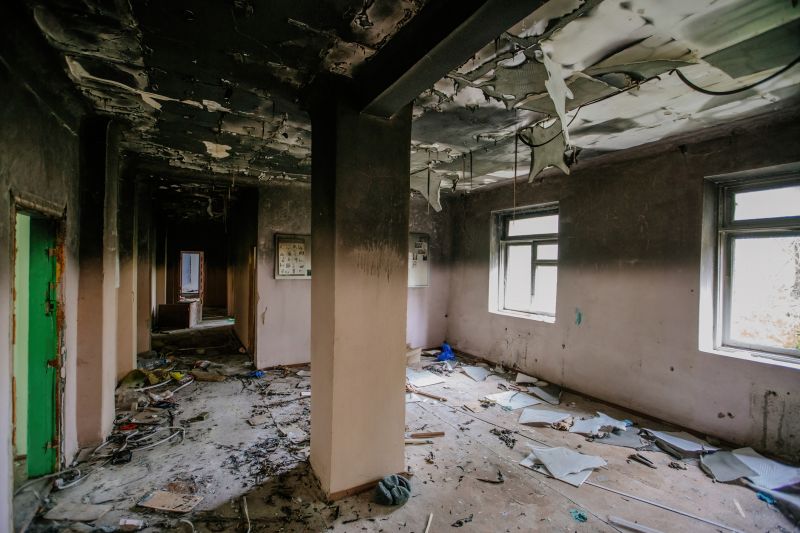
When evaluating fire restoration service providers, it is important to consider their experience with similar projects. Homeowners should inquire about the types of fires and damages they have handled in the past to ensure familiarity with the specific challenges that can arise during the fire restoration process. Service providers with a proven track record in fire damage repair are more likely to understand the necessary steps, materials, and safety considerations involved, helping to set realistic expectations for what the restoration will entail.
Clear, written expectations are essential when choosing a fire restoration contractor. Reputable local contractors should be able to provide detailed descriptions of the scope of work, the procedures involved, and the typical timeline for completion. Having these expectations documented helps prevent misunderstandings and ensures that homeowners are aware of what the process will involve, including any potential disruptions or limitations. Transparency in communication about what to expect during the fire restoration process builds trust and facilitates smoother project management.
Finally, reputable references and strong communication are key factors in selecting the right service provider. Homeowners should seek out local contractors with positive references from previous clients who have experienced similar fire damage repairs. Good communication practices, such as timely updates and responsiveness to questions, contribute to a more comfortable and informed restoration experience. Connecting with service providers who prioritize clear, ongoing communication and have a history of satisfied customers can make the process of restoring a home after fire damage more predictable and less stressful.
Property owners often search for what to expect during the fire restoration process when they are planning practical projects around their homes and businesses. Local pros provide Fire Restoration services for everyday jobs and straightforward project options.
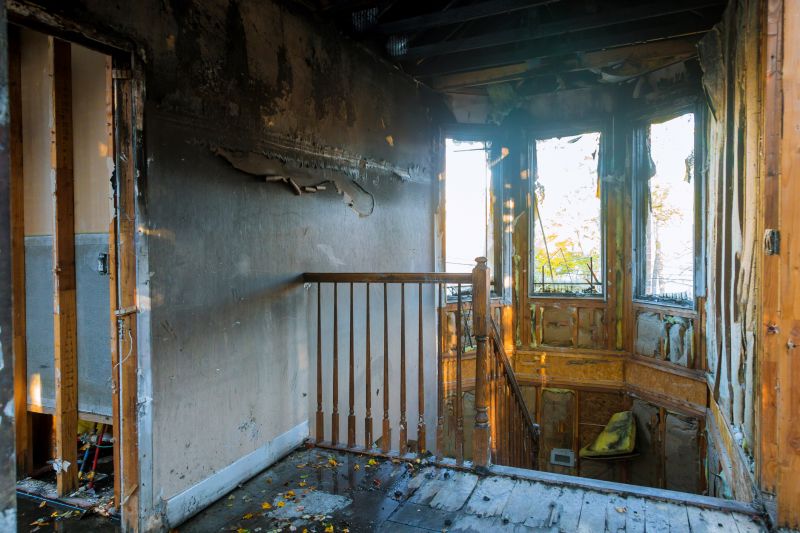
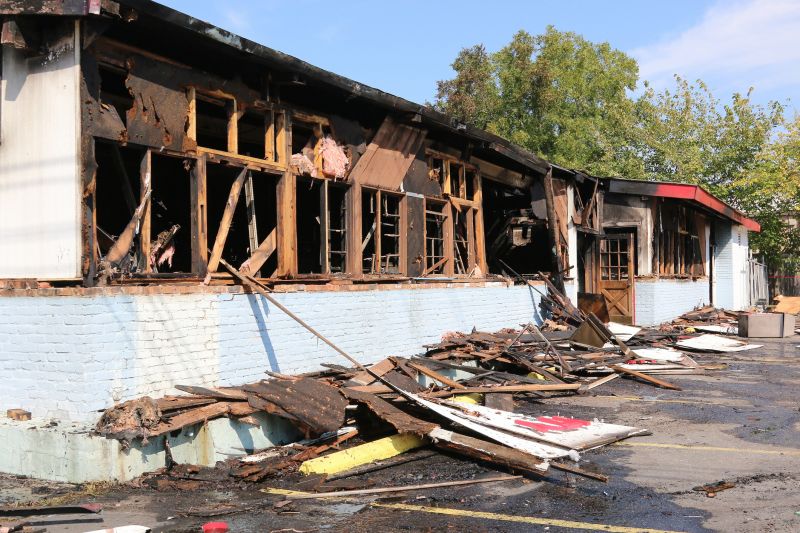
During the fire restoration process, property owners can expect a series of steps that address both the immediate damage and the ongoing cleanup. After a fire incident, local contractors typically begin with an assessment to determine the extent of the damage, including smoke, soot, and structural issues. This initial phase often involves securing the property to prevent further damage and planning the necessary repairs. Homeowners or business owners may notice that the process involves cleaning surfaces, removing debris, and sometimes replacing damaged materials to restore the property to a safe and livable condition.
As the restoration progresses, property owners might observe ongoing work such as deep cleaning, odor removal, and repairs to walls, flooring, or electrical systems. It’s common for local service providers to coordinate different tasks, ensuring that the property is thoroughly cleaned and repaired. Throughout this process, property owners can expect clear communication about the work being done and any necessary precautions. Many turn to local pros for their expertise in managing these steps efficiently, helping to restore their property and peace of mind after a fire.
What are the initial steps in the fire restoration process? Local contractors typically begin with an assessment of the fire damage, followed by securing the property and removing debris to prepare for cleaning and repairs.
How do service providers handle smoke and soot cleanup? Fire restoration professionals use specialized cleaning techniques and equipment to remove smoke and soot from surfaces, helping to restore the property’s appearance and reduce odors.
What types of repairs are involved during fire restoration? Repairs may include replacing damaged drywall, flooring, and cabinetry, as well as restoring electrical systems and addressing structural issues caused by the fire.
What is involved in odor removal during fire restoration? Local contractors often utilize advanced deodorization methods, such as ozone treatment or thermal fogging, to eliminate lingering smoke odors from the property.
What should be expected during the final stages of fire restoration? The final phase typically involves restoring the property to its pre-fire condition, including repainting, refinishing surfaces, and ensuring all repairs meet safety and quality standards.
Initial assessment and planning - Local contractors evaluate the extent of fire and smoke damage to develop a tailored restoration plan for the property.
Content removal and cleaning - Service providers remove damaged materials and thoroughly clean affected areas to eliminate smoke odors and residues.
Structural repairs and reconstruction - Pros perform necessary repairs to restore the integrity of walls, ceilings, and flooring damaged during the fire.
Final inspection and restoration - Contractors ensure all work meets safety and quality standards, preparing the property for its return to normal use.
If you are thinking about what to expect during the fire restoration process for a property, this guide is meant to help you understand this topic, the typical project types, and how different options might fit your plans.
When you are ready, you can use the quote form on this page to share a few details about your project. From there, local pros can review the basics and follow up with options that match what you have in mind.